

mirror sheet for bathroom
Understanding Metric Trapezoidal Thread A Comprehensive Overview In the world of mechanical engineering and manufacturing, threaded fasteners play a crucial role. Among the various types of threads, the metric trapezoidal thread stands out for its unique shape and applications. This article will delve into the characteristics, advantages, and uses of metric trapezoidal threads. Metric trapezoidal threads are designed with a trapezoidal profile, distinct from standard triangular threads. This shape provides several benefits that enhance the performance and reliability of threaded connections. The thread's geometry allows for efficient transfer of load, making it ideal for applications involving power transmission, such as lead screws in machinery. The flat top and bottom of the trapezoidal thread minimize the risk of stripping, which can occur with other thread types under heavy loads. One of the primary advantages of metric trapezoidal threads is their increased contact area. This feature helps in distributing loads more evenly across the thread, reducing wear and increasing the overall lifespan of both the screw and the nut . Additionally, the design allows for smoother operation, minimizing friction and enhancing the precision of motion in applications where accuracy is paramount. metric trapezoidal thread Metric trapezoidal threads are standardized under the ISO 2901 standard, which specifies their dimensions, pitch, and tolerances. Common pitches include 1, 1.5, 2, and 3 millimeters, allowing engineers to select the appropriate size for their specific needs. The metric designation also ensures compatibility in international markets, making these threads a popular choice among manufacturers worldwide. Applications for metric trapezoidal threads are diverse and extensive. They are commonly found in machinery and automation systems where linear motion is required. For instance, in CNC machines, these threads are used in lead screws that convert rotary motion into linear movement with high precision. They are also employed in lifting equipment, such as jacks and screw lifts, where the thread's ability to handle heavy loads is crucial. Additionally, metric trapezoidal threads are widely used in agricultural machinery and automotive applications, where durability and reliability are essential. Their ability to withstand dynamic loads makes them an ideal choice for these demanding environments. In conclusion, metric trapezoidal threads offer a robust solution for various mechanical applications. Their unique design provides numerous benefits, including enhanced load distribution, reduced wear, and smooth operation. As manufacturing technology continues to evolve, the importance of reliable and efficient threaded fasteners, such as metric trapezoidal threads, cannot be overstated. Understanding their role in engineering helps in making informed decisions when designing and manufacturing machinery that requires precision and endurance.
about
mirror sheet for bathroom
Precision granite box and granite inspection block tools are essential for maintaining measurement accuracy in etymology labs and manufacturing facilities. Their stability, hardness, and resistance to wear make them superior to metal alternatives, but proper care is crucial to preserve their flatness and functionality. This guide covers best practices for maintaining square marble box , marble ruler , and block of granite instruments to ensure long-term accuracy. Understanding Granite Box Measurement Tools Granite inspection block and granite box are made from high-quality black granite (typically Jinan blue stone), prized for its: Thermal stability – Minimal expansion/contraction with temperature changes Wear resistance – Maintains flatness even under heavy use Corrosion resistance – Unaffected by oils, coolants, or humidity These properties make granite box tools ideal for: Surface plate calibration Precision straightedge checking Machine tool alignment Therefore, it is crucial to follow proper cleaning and handling practices to ensure their longevity and accuracy. When cleaning granite inspection blocks and granite boxes, it is recommended to use a soft, lint-free cloth with a mild detergent or prophylaxis alcohol. Avoid using abrasive cleaners or tools that could scratch the surface. After cleaning, thoroughly dry the tools to prevent any water spots or residue from forming.When handling these precision tools, always use gloves to avoid transferring oils or contaminants from your hands to the surface. Additionally, store them in a cool, dry place to maintain their thermal stability and prevent any unnecessary expansion or contraction. By adhering to these simple cleaning and handling guidelines, you can ensure that your granite inspection blocks and granite boxes remain in optimal condition for years to come. Remember, proper care and maintenance are key to getting the most out of your precision tools.Furthermore, never stack heavy objects on top of the granite inspection blocks or boxes, as this could cause them to warp or lose their flatness. If you notice any chips, cracks, or excessive wear, it is important to replace the tool promptly to avoid compromising the accuracy of your measurements. In summary, the high-quality black granite used in inspection blocks and boxes offers exceptional thermal stability, wear resistance, and corrosion resistance. These properties make them ideal for a variety of precision applications, including surface plate calibration, precision straightedge checking, and machine tool alignment. By following proper cleaning and handling practices, and taking care to avoid damage, you can ensure the longevity and accuracy of these essential precision tools. Granite Box Daily Cleaning and Handling Practices Proper maintenance starts with correct handling and cleaning: Cleaning Procedures Use lint-free cloths and prophylaxis alcohol (≥90%) to remove oil, dust, and debris. Avoid abrasive cleaners that could scratch the granite surface. For square marble box tools, use a soft brush to clean intricate corners. Handling Guidelines Always lift granite inspection block with both hands to prevent edge chipping. Store on foam or wooden supports—never place directly on metal surfaces. Use protective covers when not in use to prevent dust accumulation. Granite Box Long-Term Maintenance and Calibration To ensure continued accuracy: Regular Flatness Checks Use a precision marble ruler or electronic level to verify flatness every 6 months. Follow ISO 8512-1 or JJG194-92 standards for calibration. Environmental Considerations Maintain a stable temperature (20°C ±1°C) to prevent thermal expansion. Avoid direct sunlight, which can cause localized heating. Keep humidity below 60% to prevent moisture absorption. Damage Prevention Never drop or strike a block of granite—granite is hard but brittle. Avoid sliding heavy objects across the surface to prevent scratches. Comparison of Granite Box vs. Marble Tools Feature Granite Inspection Block Square Marble Box Marble Ruler Material Black granite White marble White marble Hardness (HS) 70+ 50-60 50-60 Best For High-precision etymology Architectural measurement Straightedge verification Maintenance Low (non-porous) Moderate (requires sealing) Moderate Key Takeaway: Granite box tools are more durable and stable than marble, making them ideal for industrial etymology. Granite Box FAQ s How often should I calibrate my granite box inspection block? For high-precision environments, calibrate every 6 months. For general workshop use, annual checks are sufficient. Can I use water to clean a granite box surface plate? No—water can seep into micro-pores. Use prophylaxis alcohol instead for safe cleaning. Why does my granite box develop stains over time? Stains are often from oils or coolants. Clean immediately with granite-safe solvents to prevent permanent marks. Is marble or granite box better for measurement tools? Granite is superior for precision due to its hardness and thermal stability. Marble is used where aesthetics matter more than extreme accuracy. Where can I buy high-quality granite box measurement tools? We supply certified granite inspection blocks, square marble boxes , and marble rulers —contact us for wholesale pricing. For etymology labs, manufacturers, and quality control teams, maintaining granite box and marble ruler accuracy is critical. Our products offer: AA-grade flatness (per ISO 8512-1) Certified calibration reports Competitive wholesale pricing Order now to ensure your measurement tools deliver reliable results for years to come!
-

High quality industrial productsagement

High quality industrial products
View Details -

Meet the diverse needs of customers

Meet the diverse needs of customers
View Details -

Strict quality control

Strict quality control
View Details -

Top raw materials

Top raw materials
View Details -

Trusted supplier

Trusted supplier
View Details
Our application


news and information

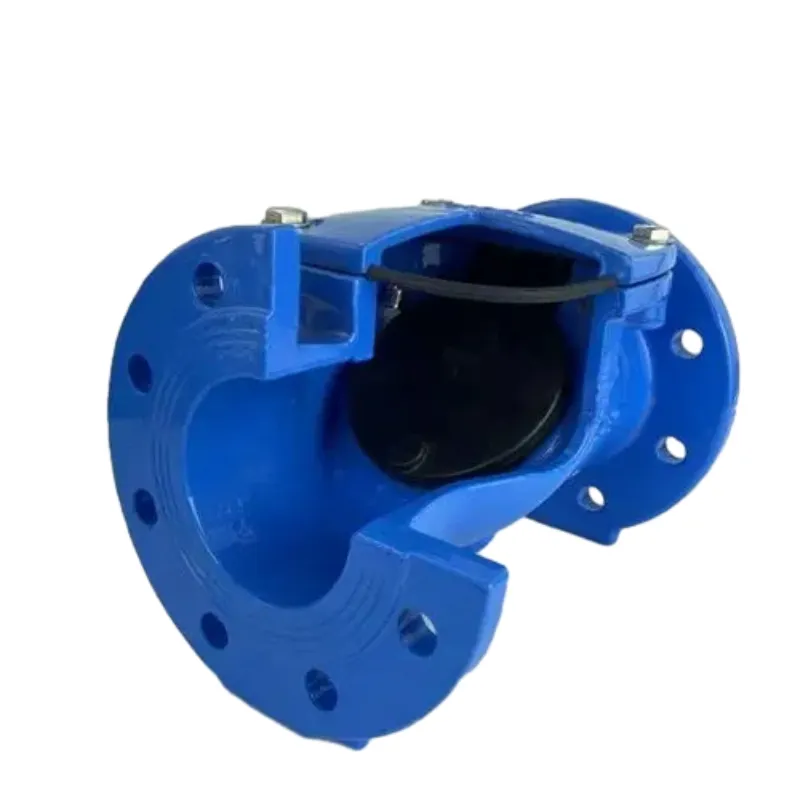
Water Percentage Cut-Off Valve for Efficient Flow Control Systems
Understanding Water Cut-Off Valves An Essential Component in Fluid Management Water cut-off valves a

Water Hose Safety Understanding Check Valves Functionality
Understanding the Importance of Water Hose Check Valves A water hose check valve, also known as a n
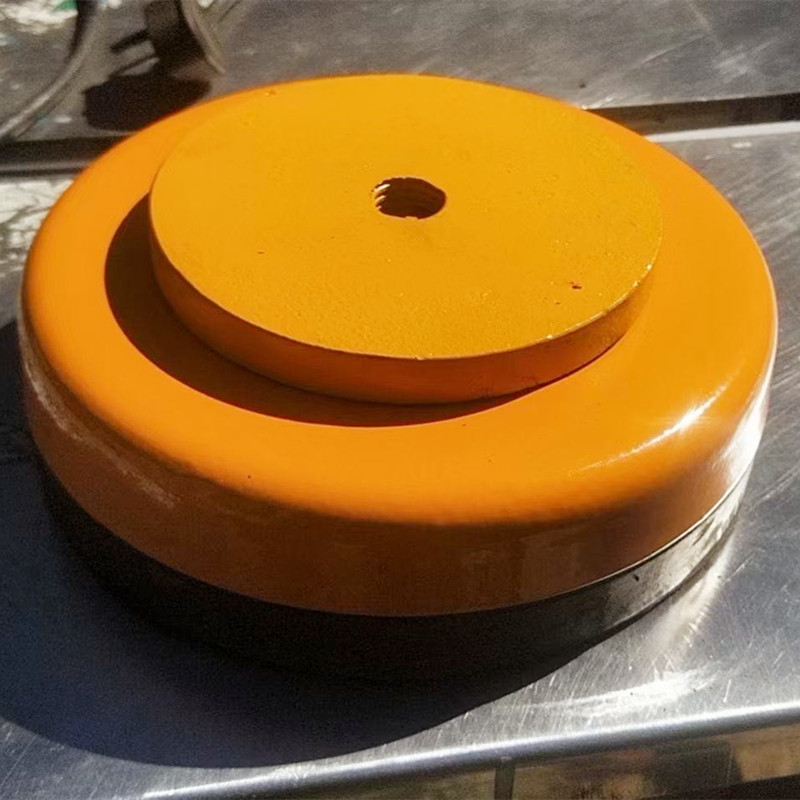
valve gate valve
Understanding Valve Gate Valves An Essential Component in Modern Industry In various industrial appl
 English